
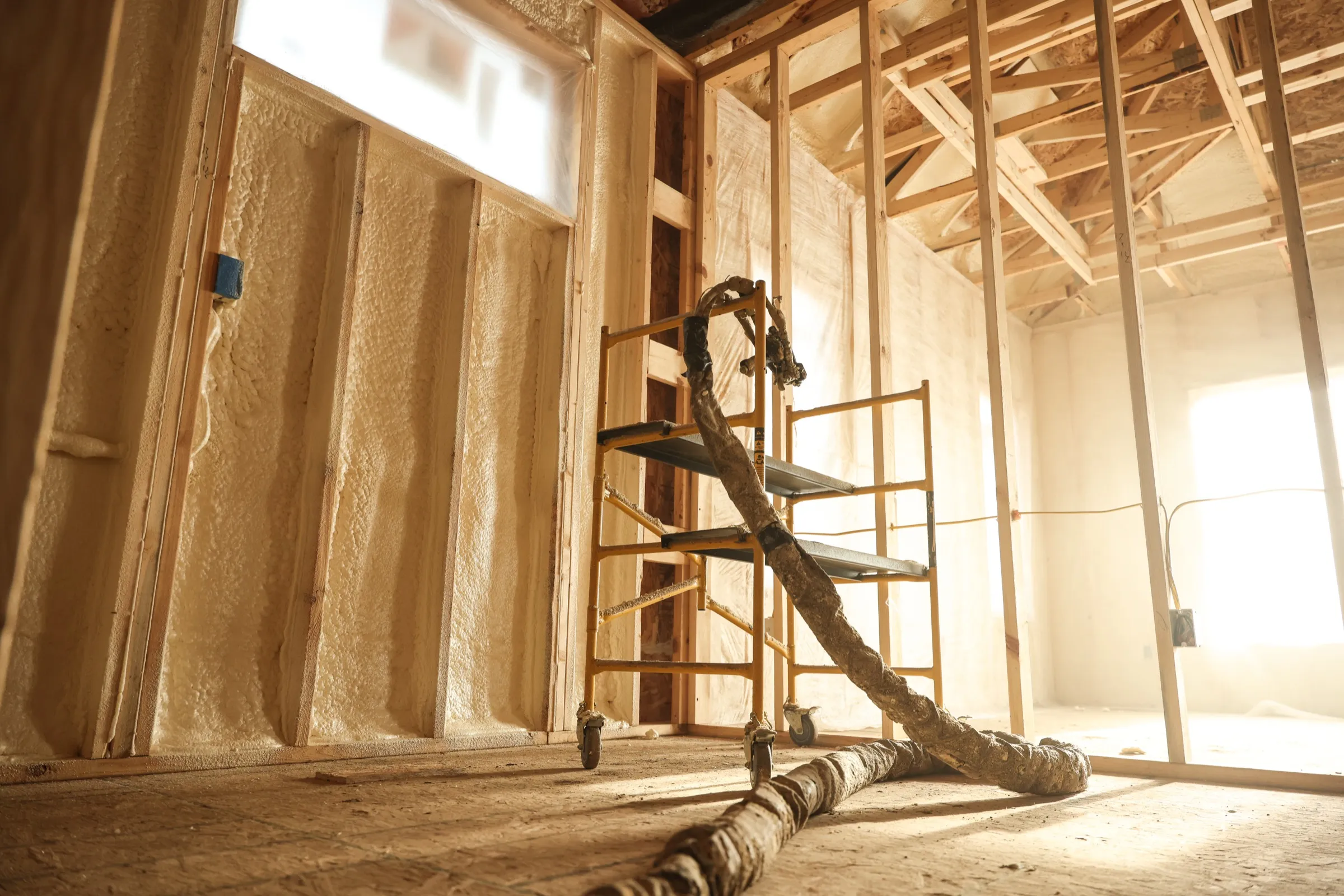
Spray Foam Insulation in Arizona
Professional spray foam insulation for Arizona homes, additions, garages, metal buildings and commercial properties.
Spray foam insulation helps Phoenix Valley buildings control two problems at once: heat transfer and unwanted air movement. Applied foam expands into irregular framing pockets, roof deck transitions, rim areas, and other gaps that conventional materials can leave exposed.
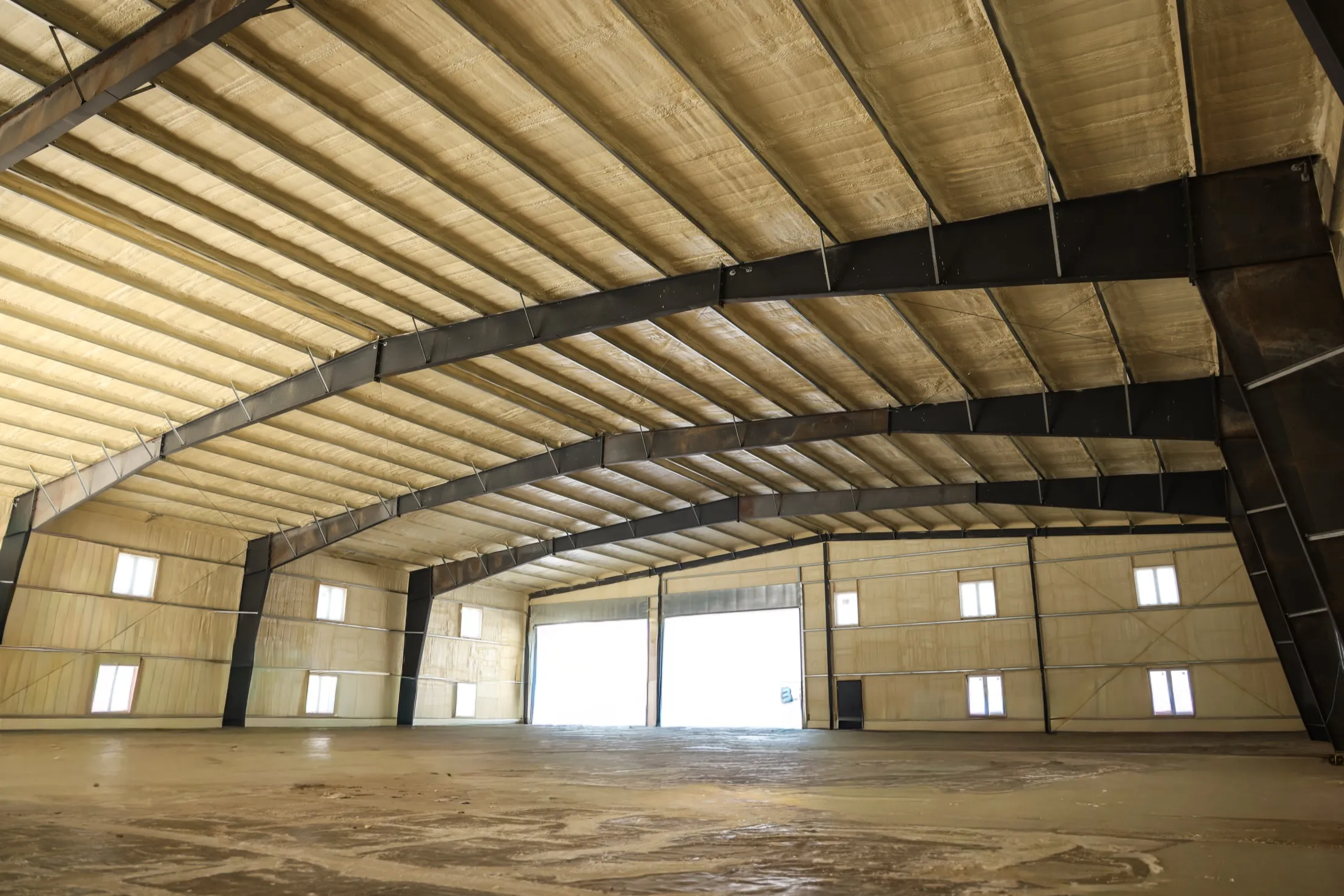
Delta Insulation installs open-cell and closed-cell spray foam for residential and commercial projects in Phoenix, Glendale, Peoria, Sun City, Surprise, and Avondale. The best approach depends on the assembly, access, ventilation plan, and how the space is used.
Open-Cell And Closed-Cell Foam, Explained Clearly
Open-cell foam is lighter and expands broadly, which can make it useful for many interior applications where cavity fill and air control are priorities. It can also help soften sound transfer between selected rooms or assemblies.
Closed-cell foam is denser and more rigid. It is often considered where the project calls for higher insulating value per inch, added firmness, or a foam that handles tougher exposure conditions. Your estimate should match the foam to the building, not the other way around.
Where Spray Foam Makes Sense
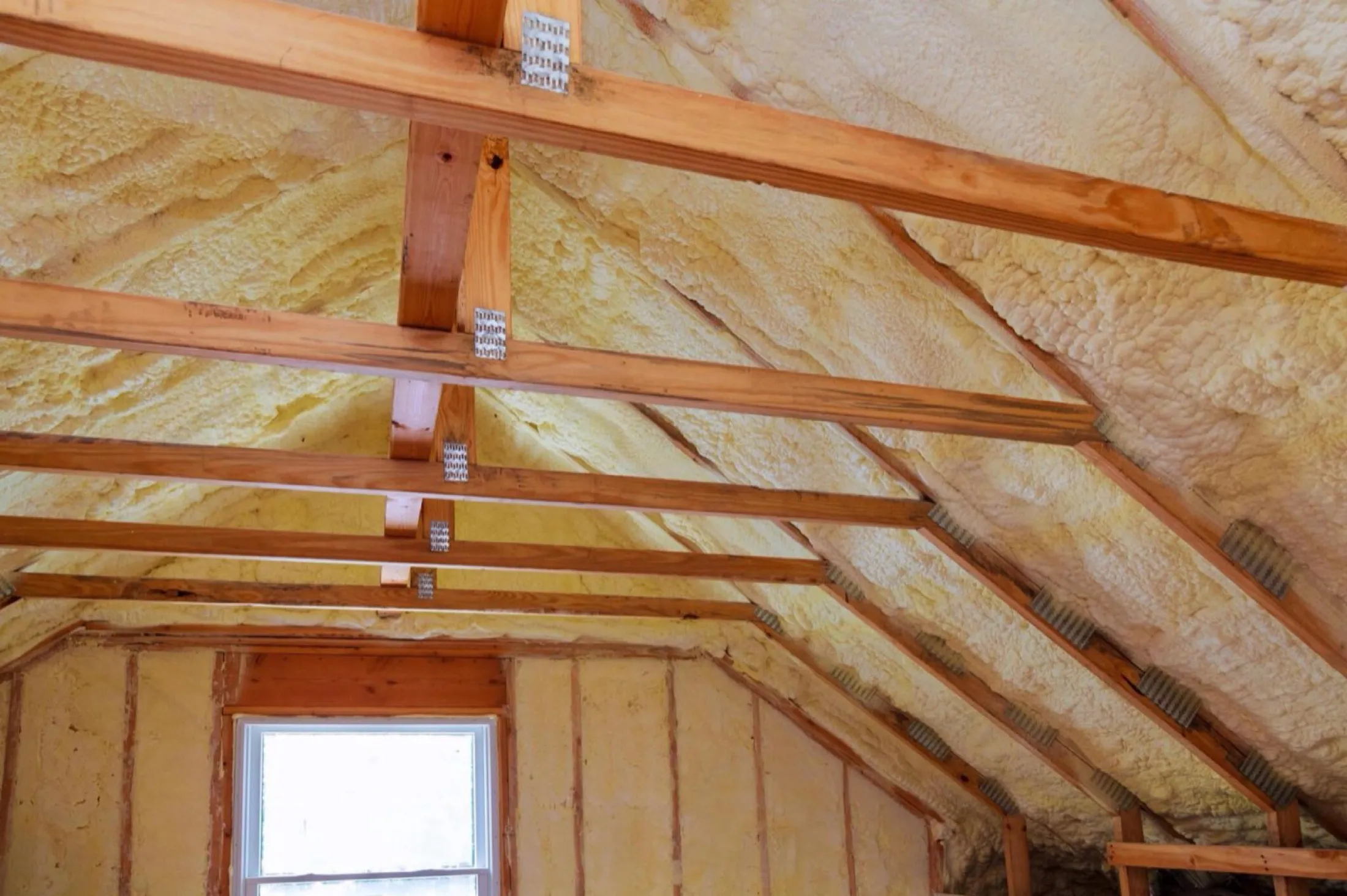
Spray foam can be a strong fit for attics, roof decks, additions, garages, shops, casitas, and commercial spaces with hard-to-seal framing. It is also useful around penetrations and transitions where air leakage can undermine otherwise good insulation.
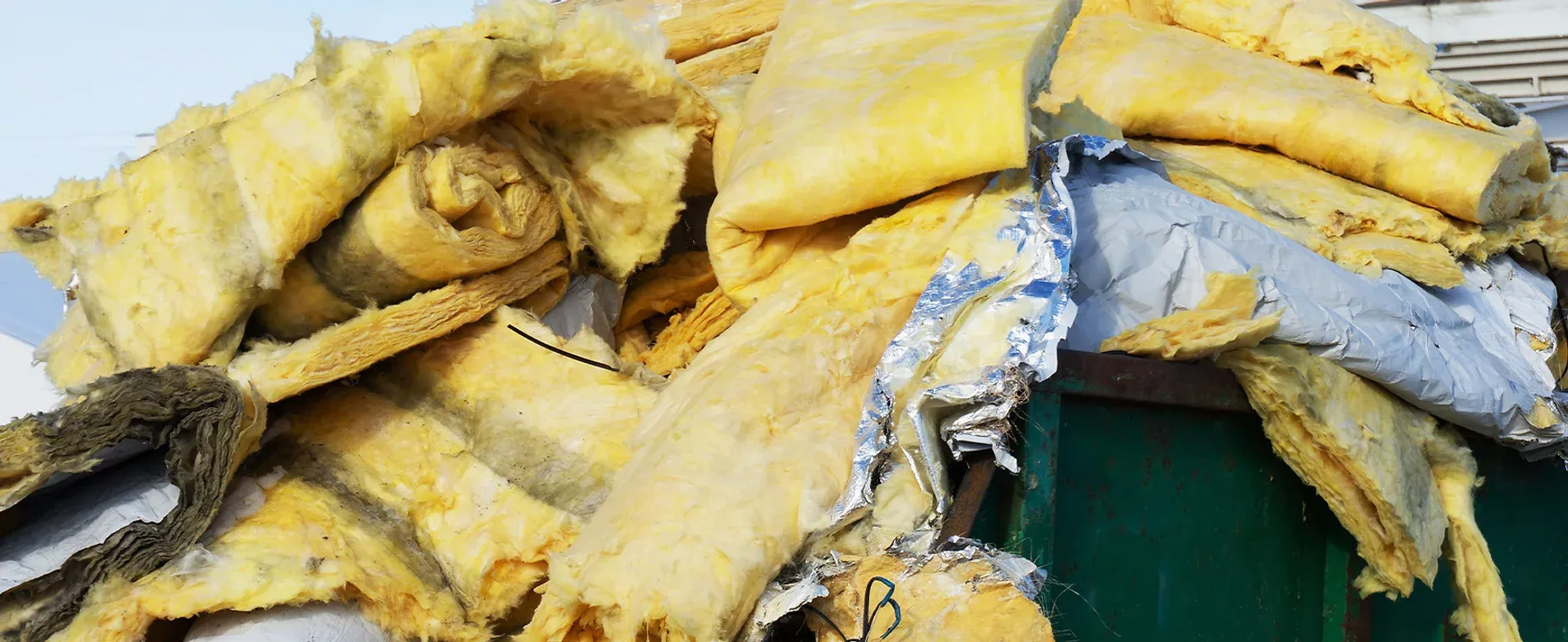
Some projects still call for blown-in insulation, batts, radiant barriers, or removal before new work begins. Delta Insulation reviews the space and explains which option fits the project instead of forcing one material into every situation.
Air Sealing Matters In Arizona Heat
In the Phoenix area, attic heat can push through small gaps for long stretches of the day. Spray foam helps close those hidden routes so conditioned rooms are less exposed to air moving through cracks, chases, and framing joints.
Air sealing is especially important in homes with rooms over garages, ductwork in the attic, converted spaces, and older areas that were insulated before current comfort expectations. The details around edges and penetrations matter.
A More Controlled Interior
A better insulated assembly can make rooms feel less uneven from one side of the property to another. Spray foam is often chosen for spaces where hot surfaces, dusty drafts, or open framing make ordinary insulation difficult to fit cleanly.
Good foam work is about continuous coverage. The crew has to account for framing depth, substrate condition, mechanical penetrations, and places where one assembly meets another so the installation supports the way the building actually performs.
What Installation Involves
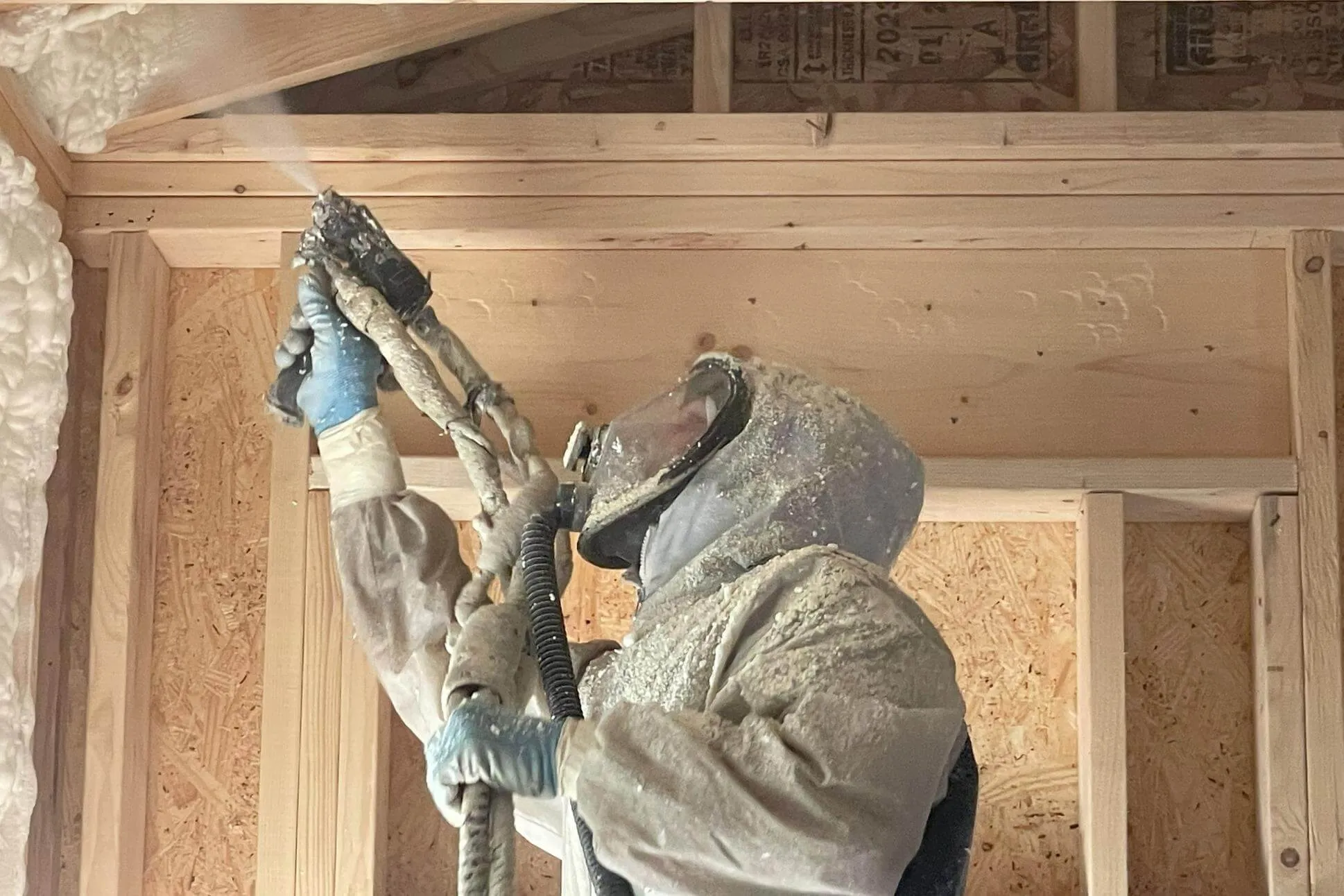
A spray foam project starts with access, prep, and protection. Areas that should not receive foam are covered, surfaces are reviewed, and the work zone is set up so the applicator can reach the cavities, roof deck, or wall sections that need treatment.
Application is only part of the job. The installer also watches coverage, depth, transitions, and curing guidance for the specific material. Afterward, the area is reviewed so the finished scope matches what was discussed during the estimate.
What A Free Estimate Covers
A useful estimate looks at the structure, not just the square footage. Delta Insulation reviews the project area, current insulation, access, moisture considerations, ventilation context, and whether the work is retrofit or new construction.
You can ask about open-cell versus closed-cell foam, where spray foam makes sense, and whether another insulation option would be more practical. The goal is a clear scope for your Phoenix-area property before any work is scheduled.
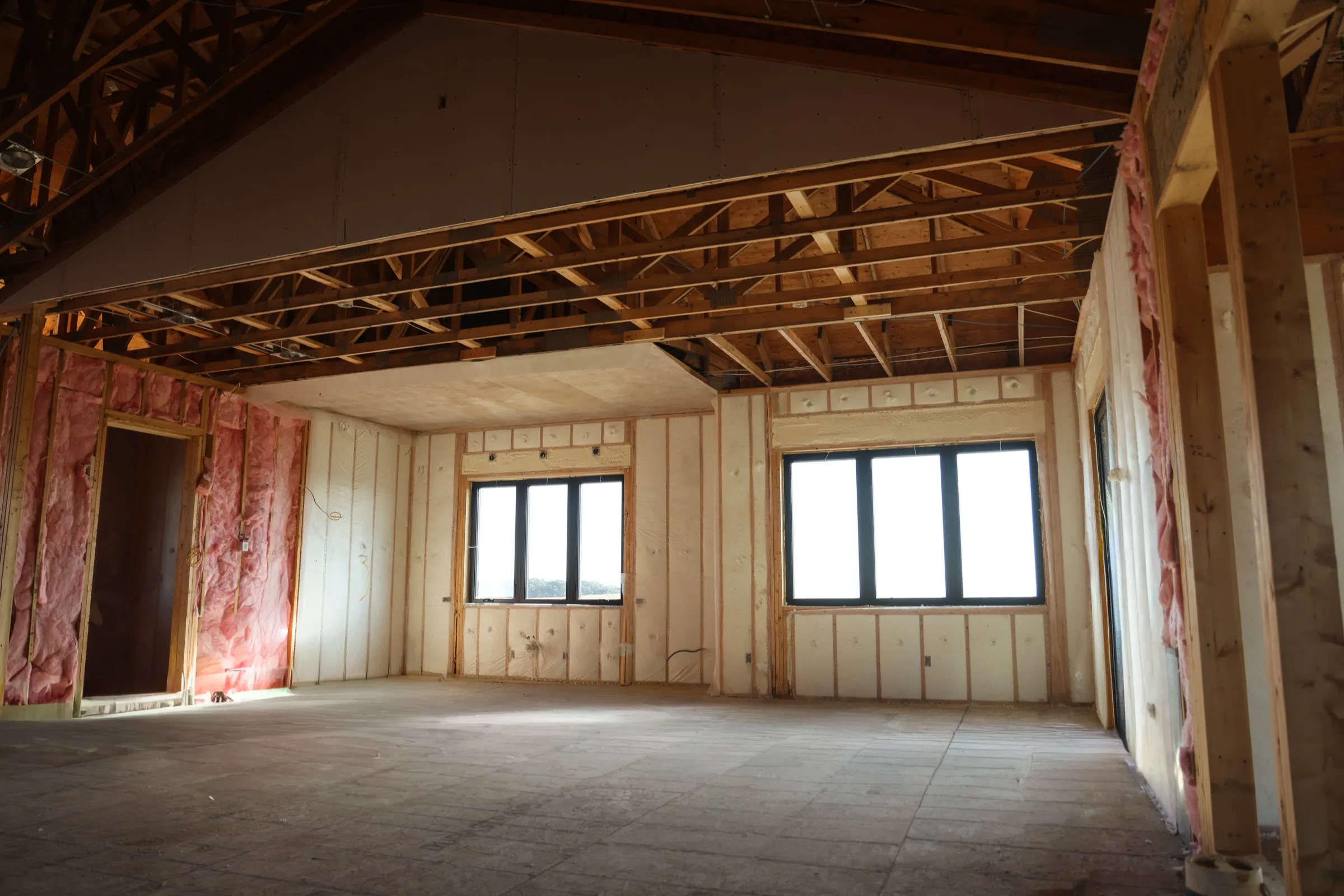
Spray Foam in Action
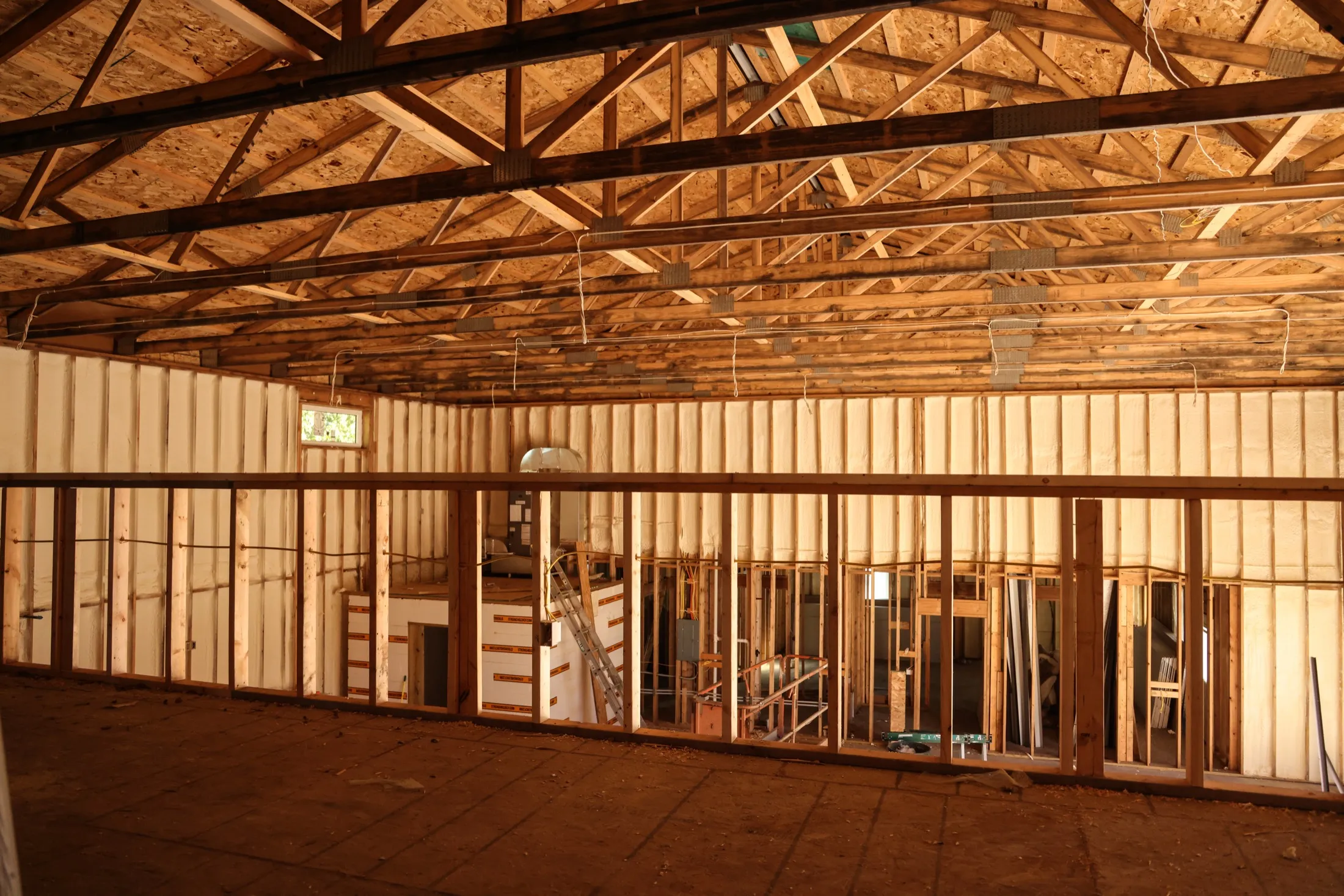
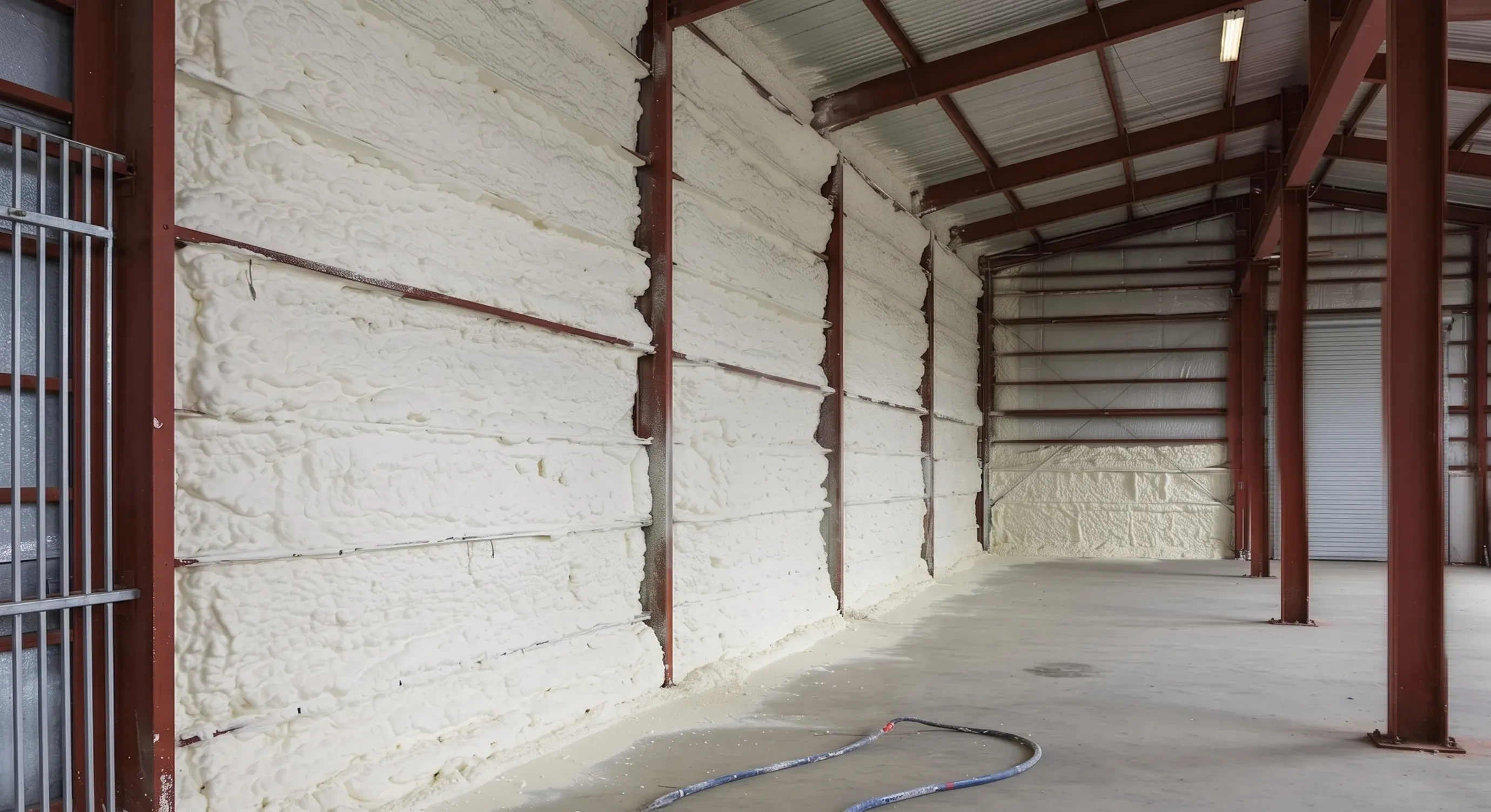
Other Insulation Services
Common Questions
Is spray foam insulation a good fit for Phoenix-area buildings?
Yes. Spray Foam Insulation works well for many Phoenix-area homes and commercial buildings, but the right choice depends on the space, the assembly and how it is used. During a free estimate we confirm whether spray foam insulation or another option fits your building.
How much does spray foam insulation cost?
Cost depends on the area being treated, the material and thickness, access and prep. Estimates are free and given in writing, so you know the price before any work begins.
How long does a spray foam insulation project take?
Most projects are completed quickly once scheduled. Your written estimate includes the expected timeline for your specific Phoenix-area project.
Want to Know What Your Project Would Cost?
Tell us about the property and we'll help you determine the next step.
Free Estimates • Phoenix Valley Service • Residential & Commercial