Radiant Barriers in Arizona
Reflective radiant barriers that turn back the desert sun's radiant roof heat before it loads your attic.
Radiant barriers address the heat that comes from sun-soaked roof surfaces. In Phoenix Valley attics, the roof deck can radiate heat downward for hours, warming insulation, ductwork, framing, and the ceiling plane below.
Delta Insulation installs reflective radiant barrier systems for homes and commercial buildings in Phoenix, Glendale, Peoria, Sun City, Surprise, and Avondale. A barrier is not a replacement for insulation, but it can be an important layer in the right attic.
How Radiant Heat Moves Through An Attic
Heat moves in several ways. Traditional insulation slows conductive heat flow, while air sealing deals with leakage. Radiant heat is different: it travels from a hot surface across an air space to cooler materials below.
That is why attics can feel punishing even when insulation is present on the attic floor. The roof deck is still radiating heat into the space, and the materials underneath absorb part of that load throughout the day.
Where A Radiant Barrier Is Installed
Radiant barriers are typically installed near the roofline, often along rafters or roof deck areas where the reflective surface faces an attic air space. The layout depends on access, roof geometry, ventilation, and existing equipment.
The barrier has to be planned around vents, wiring, framing, and service access. A neat installation protects the function of the attic while adding a reflective layer where it can actually do its job.
Why The Reflective Surface Needs An Air Gap
A radiant barrier works because a reflective surface faces open air. If the material is buried, pressed against another surface, or covered in a way that removes the air space, it cannot reflect radiant heat the same way.
This is one reason installation details matter. The crew needs to understand where the barrier belongs, how it should be fastened, and which attic conditions would limit its usefulness before recommending it.
A Complement To Insulation, Not A Substitute
Radiant barriers work alongside attic insulation. They help manage radiant roof heat, while insulation at the ceiling plane or roof assembly still handles the thermal resistance the building needs.
The strongest plans often consider several layers: attic cleanup if needed, air sealing, adequate insulation coverage, and a radiant barrier where roof exposure makes it worthwhile. Delta Insulation can explain how those pieces fit together.
What To Expect In Arizona Conditions
In desert heat, attic improvements need to be practical. A radiant barrier may help reduce the amount of radiant heat absorbed by surfaces below the roof deck, especially in attics with strong sun exposure and usable installation access.
It is still important to evaluate ventilation, duct location, existing insulation, and attic layout. Some properties need insulation depth first; others benefit from a reflective layer as part of a broader upgrade.
What A Free Estimate Covers
A radiant barrier estimate reviews the attic shape, roof exposure, framing, ventilation, current insulation, ductwork, and whether access allows the barrier to be installed without compromising other attic functions.
For properties in Phoenix, Glendale, Peoria, Sun City, Surprise, and Avondale, Delta Insulation can compare radiant barriers with spray foam, blown-in insulation, batt insulation, and removal where those options are more appropriate.
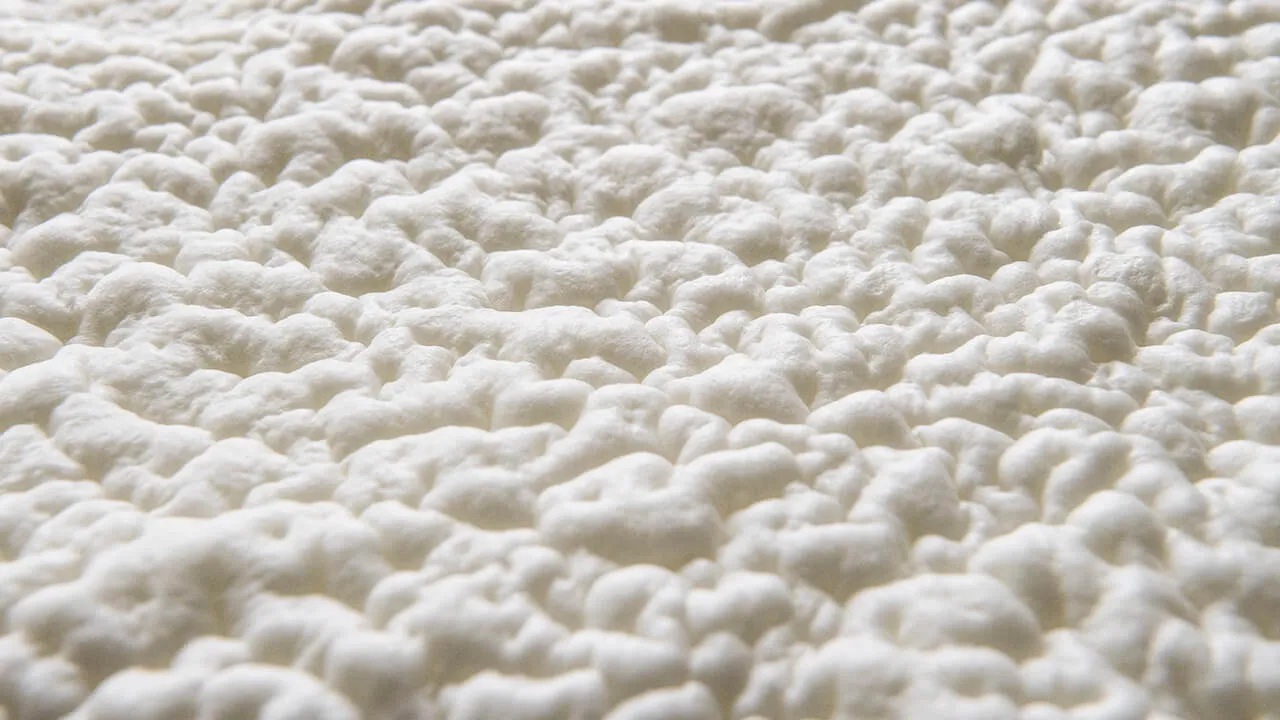
Spray Foam in Action
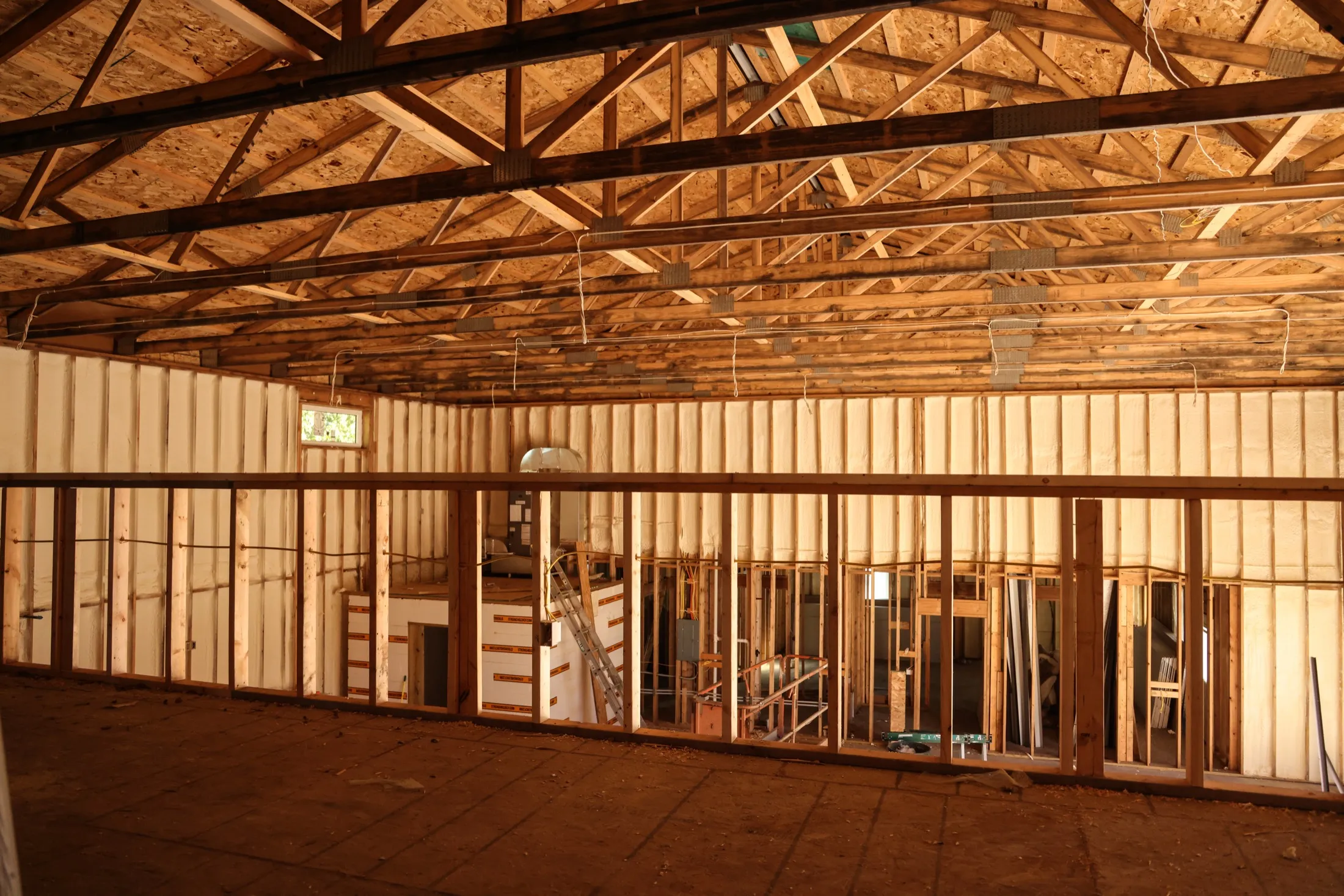
Other Insulation Services
Common Questions
Is radiant barriers a good fit for Phoenix-area buildings?
Yes. Radiant Barriers works well for many Phoenix-area homes and commercial buildings, but the right choice depends on the space, the assembly and how it is used. During a free estimate we confirm whether radiant barriers or another option fits your building.
How much does radiant barriers cost?
Cost depends on the area being treated, the material and thickness, access and prep. Estimates are free and given in writing, so you know the price before any work begins.
How long does a radiant barriers project take?
Most projects are completed quickly once scheduled. Your written estimate includes the expected timeline for your specific Phoenix-area project.
Want to Know What Your Project Would Cost?
Tell us about the property and we'll help you determine the next step.
Free Estimates • Phoenix Valley Service • Residential & Commercial